Your Wellbeing, Our Priority

A leading outpatient clinic backed by award-winning healthcare innovation and expertise.

MAKE AN APPOINTMENT

When there’s a problem, the earlier the diagnosis, the earlier remedial treatment can begin

Health concerns can’t be put on hold, families, carers, and clinicians trust us to act without delay. Ark Clinics offer private outpatient appointments in as little as 48 hours, followed by personalised treatment plans tailored to individual needs.

We offer access to remarkable care quickly, with mental health support for children, adolescents and adults up to 65 years old, plus neurorehabilitation for individuals aged 16 years and older, with no maximum age restriction. It’s a one stop service: direct access to qualified healthcare professionals without long referral processes. Our team of highly skilled experienced clinicians offer weekday, weekend and evening appointments.
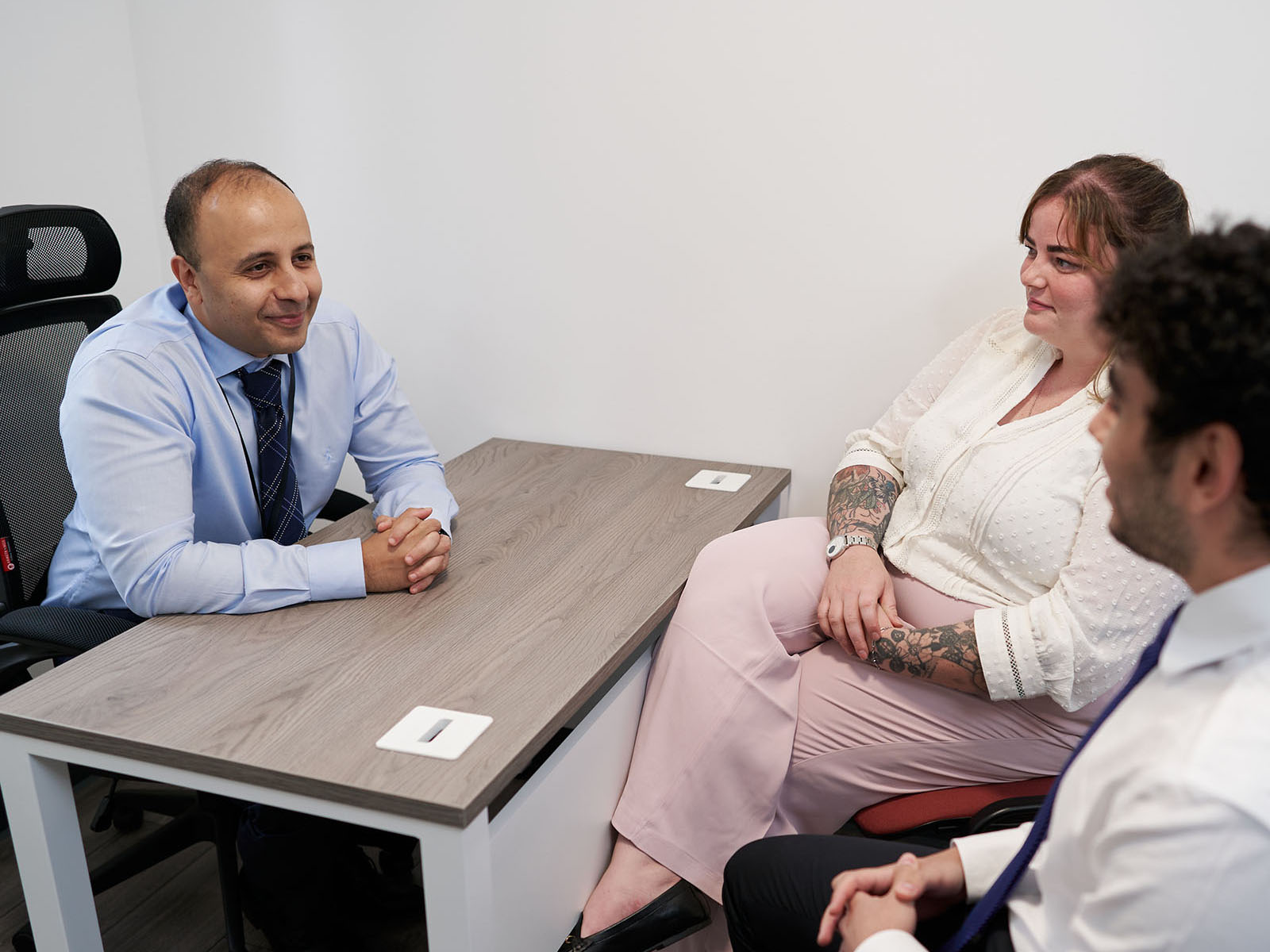
Patients and doctor sat at desk

Whether you’re a patient, a concerned family member, a GP, part of an insurance, legal, or case management team - we’re here to help. Contact us today by clicking here, emailing, or giving us a call.

MAKE AN APPOINTMENT REPEAT PRESCRIPTIONS
Our Mission

Access to remarkable care

MBA aims to provide remarkable experience for all individuals involved in our care, through adopting patient-centric approach, encouraging data intelligence and innovation to help providing timely, effective and expert-driven services to individuals according to their own needs, preferences and circumstances

Image of patient
Image of patient
Image of patient
Image of patient

Ark Clinics Values


Integrity | Respect for Dignity and individuality | Compassion Excellence and Innovation | Inclusivity and accessibility | Safety and well-being Confidentiality | Continuous Learning & Development | Data-Driven Decision Making

Comprehensive care for a range of conditions.

We’re here to help, whatever you’re facing.

Make an Appointment

Attention Deficit Hyperactivity Disorder affects attention, organisation, and impulse control. Some people may struggle to stay focused, while others feel constantly driven or restless. ADHD can impact school, work, and relationships, although everyone experiences it differently. With the right support, many people learn effective strategies and thrive in their daily lives.

Anxiety is a natural response that helps us prepare for challenging situations. It becomes a difficulty when fear or worry begins to interfere with daily life. Panic attacks can feel sudden and overwhelming, even without an obvious cause. Anxiety is common in young people and adults, and support can help manage symptoms and restore confidence.

Autism affects how a person communicates and experiences the world around them. Individuals may find social situations or change challenging, while also having strengths in focus, interests, or problem solving. Every autistic person is unique, and tailored support can help with independence, wellbeing, and quality of life.

Bipolar disorder involves changes in mood that range from periods of high energy to times of low mood or depression. These shifts can affect sleep, behaviour, and daily routines. With professional support, people can learn to manage their symptoms and maintain stability in day-to-day life.

Depression is more than feeling sad. It can affect sleep, appetite, concentration, and motivation, making daily activities feel difficult. It is a common condition that can affect anyone at any time. Treatment can help improve mood and wellbeing and support people to reconnect with what matters to them.

Developmental trauma results from difficult or frightening experiences during childhood. It can affect how individuals see themselves and others and how they cope with stress later in life. With a safe and supportive environment, people can understand these experiences and build emotional strength and stability.

Obsessive Compulsive Disorder involves unwanted thoughts or images that create distress, followed by actions or rituals aimed at reducing that distress. OCD can take up a lot of time and energy and may affect everyday tasks. Effective treatment can help reduce symptoms and improve quality of life.

Personality disorders affect how individuals think, feel, and relate to others. This can make relationships and managing emotions more challenging. Symptoms and experiences vary widely from person to person. With the right support, many people develop helpful coping skills and build more stable lives.

Phobias are intense fears triggered by specific objects, animals, or situations. Even thinking about the fear can cause distress or avoidance. Phobias are relatively common, and structured support can help people regain confidence and return to daily activities.

Psychosis involves changes in how a person interprets reality, which may include hearing or seeing things that others do not. Schizophrenia is a condition where psychosis is present over longer periods. Support focuses on managing symptoms, maintaining independence, and improving wellbeing.

Post Traumatic Stress Disorder can develop after experiencing or witnessing a traumatic event. Symptoms can include flashbacks, avoidance, and changes in mood or sleep. With care and specialist therapies, people can reduce distress and regain a sense of control and safety.

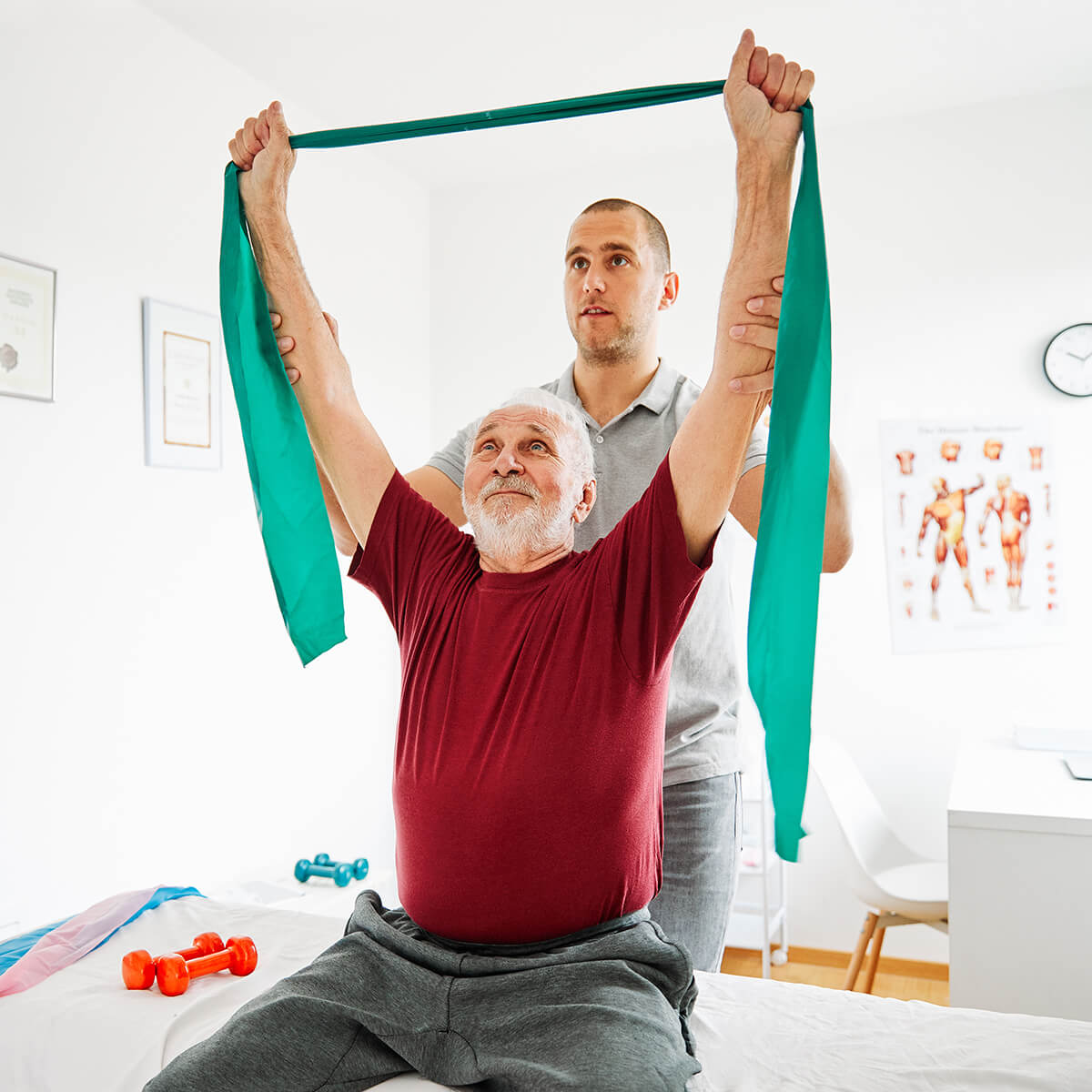
Expert support, personalised rehabilitation

Specialist care for every step of recovery

Make an Appointment

An acquired brain injury can affect thinking, memory, movement, and behaviour. Rehabilitation focuses on restoring abilities, adapting to challenges, and supporting independence. Every recovery journey is unique and can continue long after the initial injury.

A spinal cord injury can impact movement and sensation below the level of injury. Rehabilitation aims to maximise mobility, function, and quality of life. Support is always tailored to individual goals and needs.

Cauda equina injuries affect the nerves at the base of the spine and can cause pain, weakness, and bladder or bowel changes. Early treatment and specialist rehabilitation are important for long term outcomes and daily independence.

Peripheral neuropathies involve damage to the nerves outside the brain and spinal cord. This can cause changes in sensation, weakness, or balance. Treatment aims to reduce symptoms, maintain function, and improve comfort.

Conditions such as Parkinson’s disease or multiple sclerosis change over time and may affect movement, coordination, and independence. Ongoing support helps people manage symptoms and stay active for as long as possible.

Cerebral palsy affects movement, posture, and coordination due to early life brain development. Individuals may experience muscle stiffness or weakness. Therapy focuses on developing skills, improving mobility, and supporting participation in daily life.

These conditions affect muscles, joints, and bones and can limit movement and everyday activities. Treatment helps to reduce pain, restore function, and support people to stay active.

Examples of these conditions include: Tenosynovitis, Frozen shoulder and Arthritis.